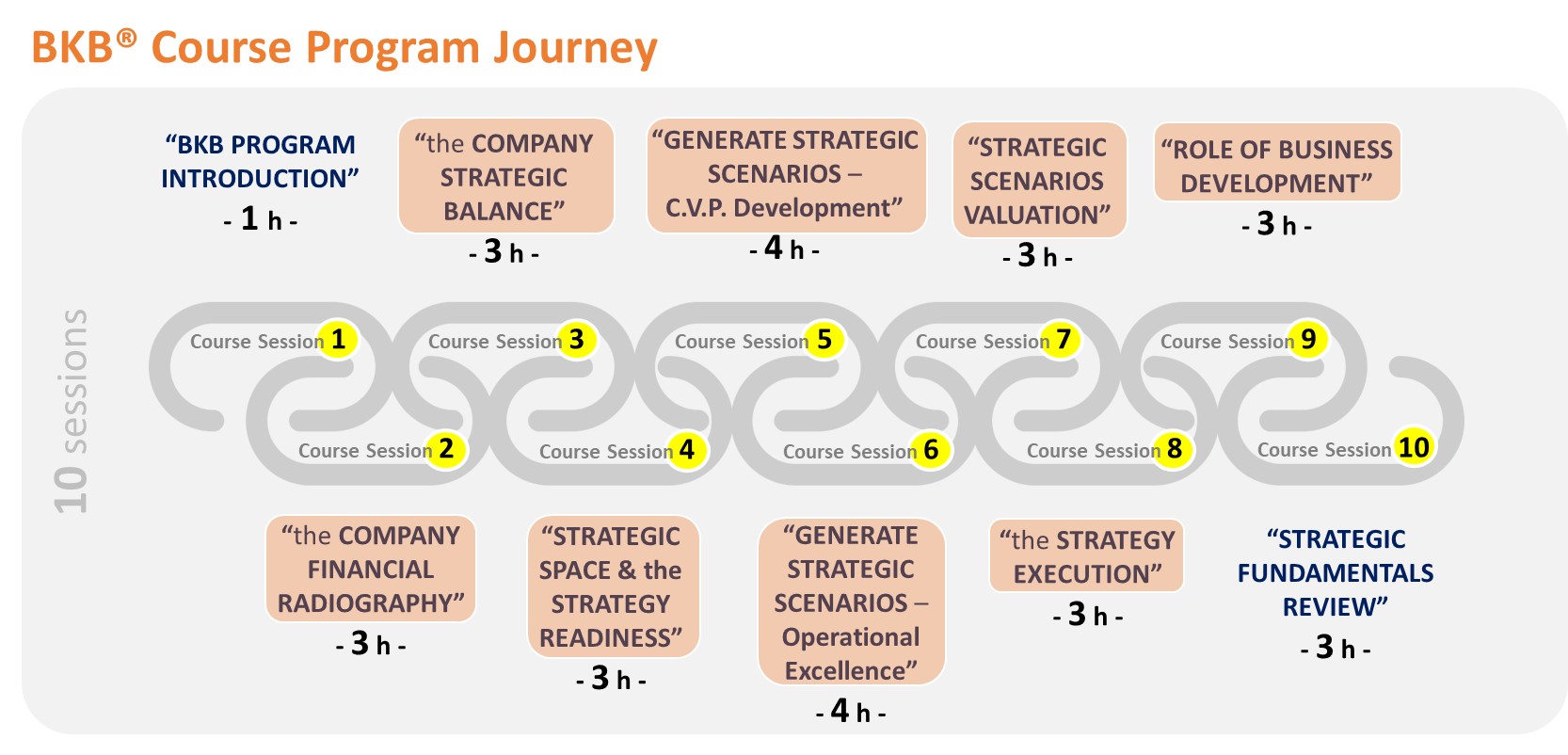
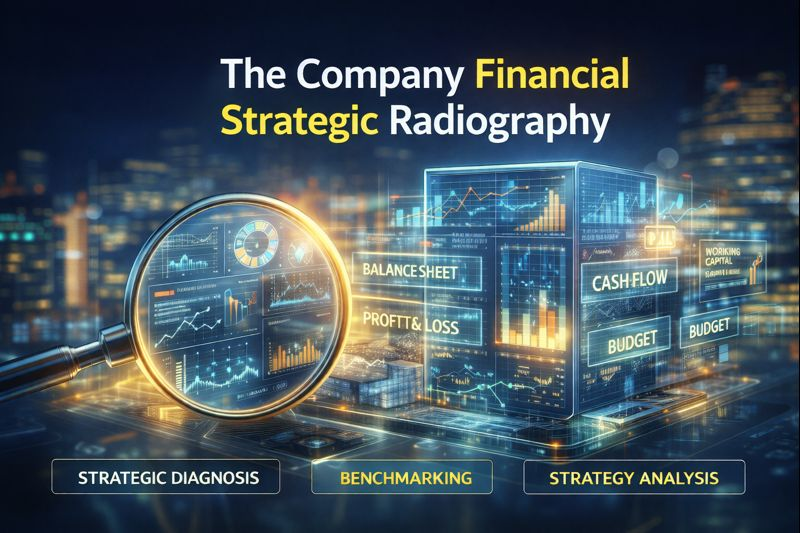
The purpose of Course Session 2 is to reposition traditional financial analysis from an accounting and compliance exercise into a strategic diagnostic instrument.
Financial Radiography aims to reveal what the company can and cannot do strategically, by interpreting standard financial statements through a strategic lens.
The objective is not to explain Finance, but to extract strategic meaning from financial reality.
In this sense, Financial Radiography is not backward-looking; it is a forward-looking assessment of strategic feasibility. It establishes the economic boundaries within which any future strategy must operate.
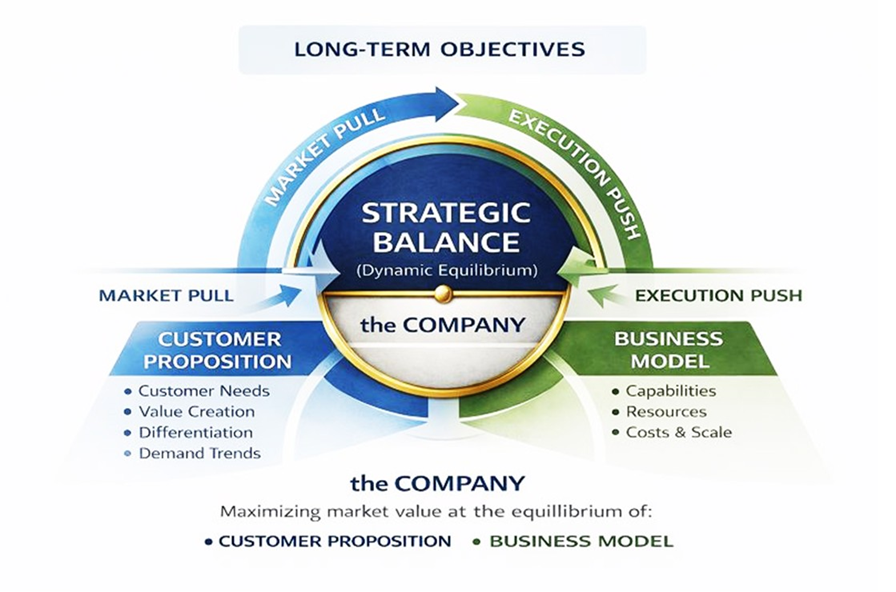
Is Company able to sustain a coherent relationship between Market expectations and the Company internal execution capacity?
Course Session no 3 introduces Strategic Balance as a core Business Knowledge Builder concept, defining it as a dynamic control mechanism that continuously aligns Customer Value Proposition and the Company Business Model.
Strategic Balance is positioned as the critical bridge between the Company financial strategic diagnosis and future strategic choice within the Strategy (re)Generation Process S(re)GP.
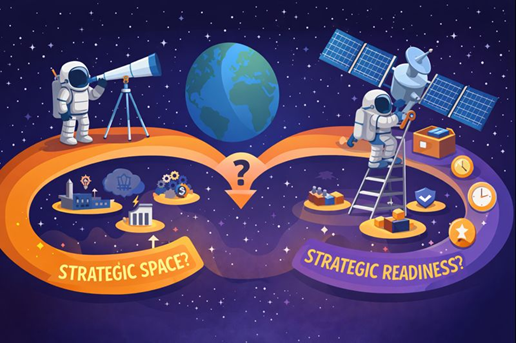
A fundamental strategic risk is to move directly from Company Diagnosis to Strategy Design without defining the legitimate Space in which the Strategy TO BE can realistically exist.
Session 4 addresses exactly this risk.
Strategic Space is shaped
by five fundamental realities:
# the current business model,
# the customer value proposition,
# the economic logic of the business
# the external environment
# the organizational capabilities and limitations
In the BKB logic, long-term objectives govern the Strategy Readiness. They define the boundaries within which strategic initiatives may exist
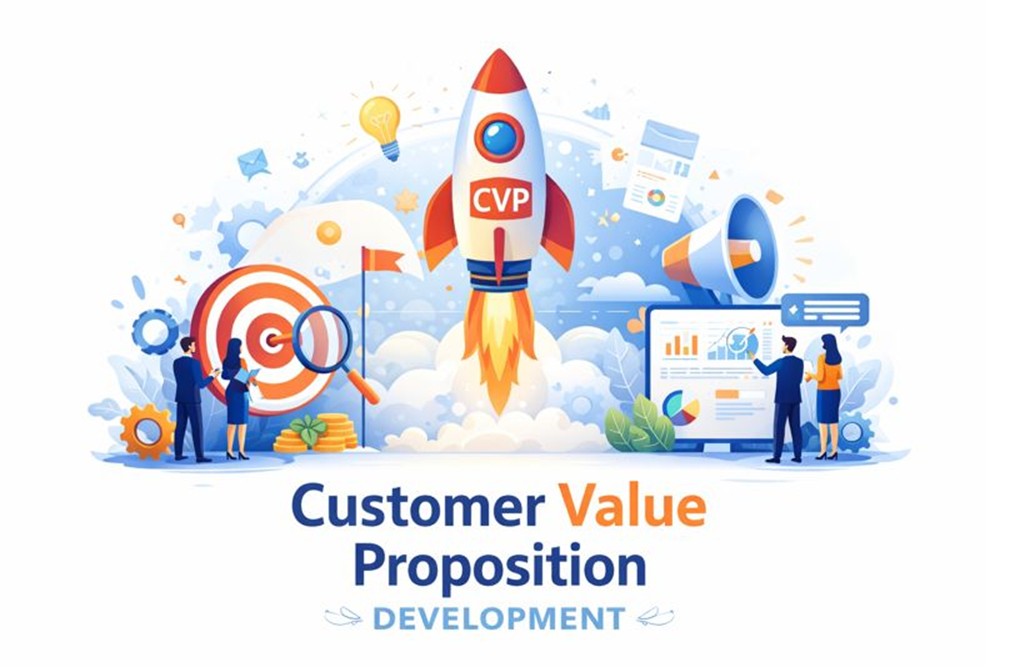
The objective of Session 5 is to design, structure and articulate strategic initiatives that explicitly develop the Company Customer Value Proposition (CVP), as a fundamental pillar of the future STRATEGY TO BE.
Three development directions of CVP are to be considered by the Course Session:
# Branding, Brand Transformation & Marketing Communication
# Customer Interface development
# Product & Services development
To develop the Company most competitive CVP, BKB Course Session 5 considers scenarios within & beyond the present Company core business.
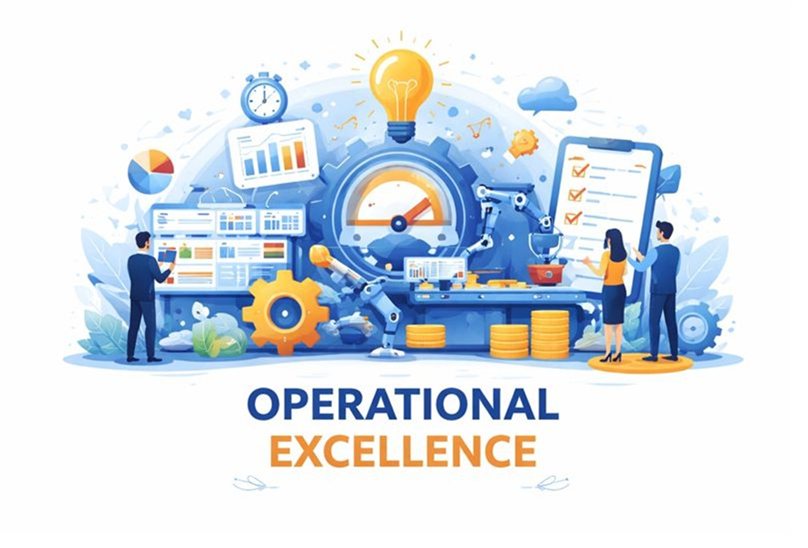
Course Session 6 runs in parallel with Course Session 5. Together, they translate strategic intent into two complementary execution pillars. Both are mandatory conditions for having a viable Strategy TO BE.
Course Session 6 evaluates the Company’s ability to consistently deliver its Strategy through optimized operations, scalable commercial mechanisms and structurally integrated capabilities. If the range of needed capabilities requires, than M&A are to be taken into account.
Operational Excellence is seen as value creation multiplier, ensuring that strategic growth does not destroy margins, organizational coherence or execution discipline.
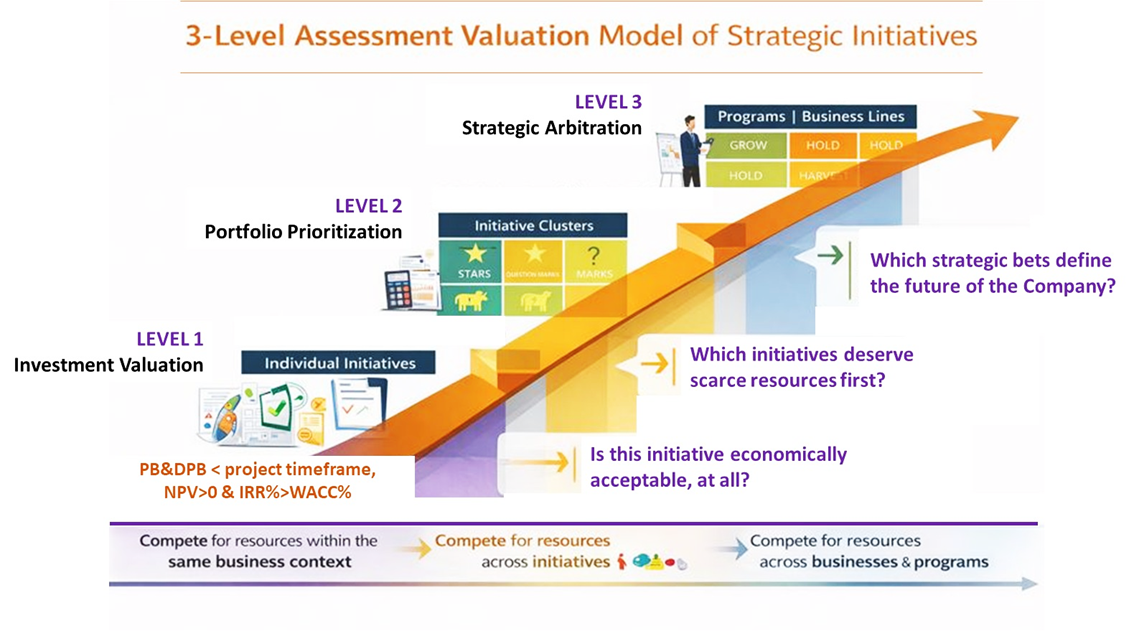
Course Session 7 introduces the 3‑LEVEL ASSESSMENT VALUATION MODEL, a proprietary BKB decision framework designed to determine which strategic initiatives genuinely deserve to become part of the company’s STRATEGY TO BE.
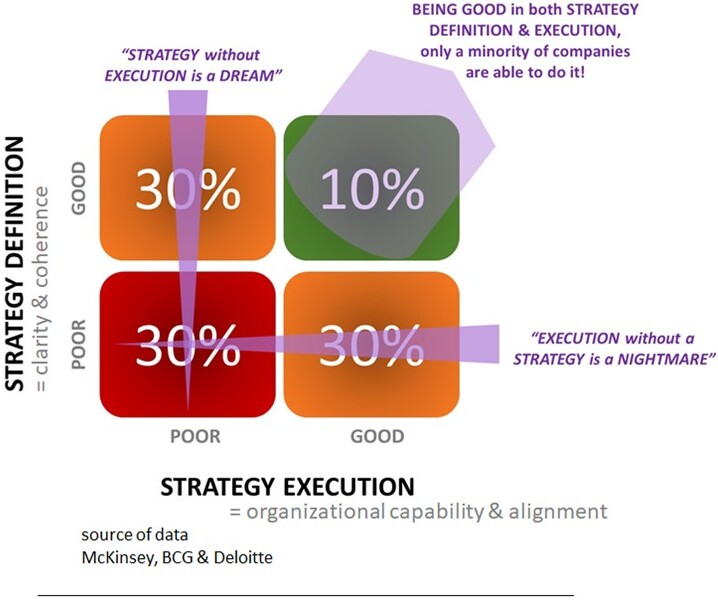
BKB defines Strategy Execution as being the disciplined operation of a new strategic logic through structure, leadership, governance and learning.
With Course Session 8, the BKB strategic journey reaches its systemic closure: STRATEGY TO BE becomes STRATEGY AS IS; long‑term objectives are updated; KPIs and incentives are aligned; business model through structures & processes supports the new Customer Value Proposition and Market Intelligence operates as a continuous warning and sensing system.
As Strategy execution requires structure. BKB introduces an original organizational concept: “the 4‑Level BKB® Organizational Design to structure Strategy Execution”.
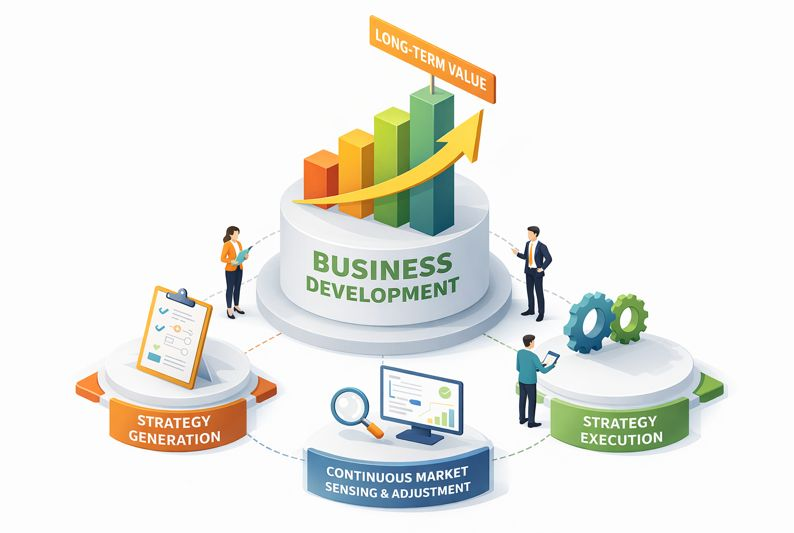
According Business Knowledge Builder (BKB) vision, Business Development is not a commercial function, a sales extension or a tactical growth role. It is a strategic capability, designed to ensure that a Company continuously creates, protects and renews long-term value.
BKB Course Session no 9 positions Business Development as the strategic nervous system of the organization, operating at the intersection of:
Strategy Generation,
Strategy Execution and
Continuous market sensing and strategic adjustment.
By doing so, Business Development closes the strategy lifecycle and ensures that strategy remains relevant, coherent, and economically viable over time.